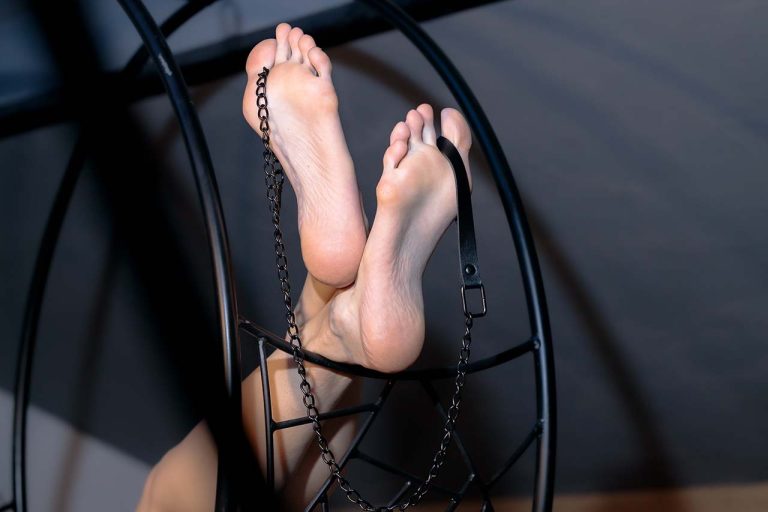

Selling feet pics sounds simple until money enters the room. Then the little things start to matter: where you post, how you get paid, what you refuse, how much of your identity you reveal, and whether you treat the whole thing like a quick trick or a small digital business.
In the UK, people often begin with a phone camera, a private social account, and a vague idea that someone somewhere pays for this. That part is true. But the sellers who last longer than a week usually have something less glamorous than confidence. They have boundaries, records, a posting rhythm, and the ability to ignore strange messages without taking them personally.
This guide is written for adults only. If you are under 18, do not sell intimate, fetish, or adult-leaning images. If a buyer asks for anything involving minors, school uniforms, coercion, hidden cameras, intoxication, or another person who has not clearly consented, block them. There is no clever workaround there, only risk.
What You Are Actually Selling
Feet pics are not just pictures of feet. Buyers usually pay for a feeling: neatness, fantasy, attention, rarity, control over small details, or the sense that the image was made specifically for them. That does not mean you owe anyone emotional access to you. It means your photos need a point of view.
A plain photo on a carpet can sell if the buyer already likes you. For a beginner, it is harder. Your early advantage is clarity. Clean lighting, tidy framing, well-kept nails, and a consistent style will carry you further than trying to copy every trend you see online.
Think in categories. Soft neutral photos after a bath. Glossy pedicure shots. Barefoot outdoor images. Heels, socks, sandals, close-ups, arches, soles, toe rings, anklets. Each category attracts a slightly different buyer. The mistake is throwing everything into one messy feed and hoping the right person understands it.
Start With Your Boundaries Before You Start With Your Camera
Before you post a single image, decide what is off-limits. Write it down somewhere boring, like a note on your phone. It may feel unnecessary when nobody has messaged you yet. It becomes useful the first time someone offers extra money for something that makes your stomach tighten.
Your boundary list might include no face, no voice notes, no live calls, no explicit nudity, no meetups, no custom content after 9 p.m., no free previews, no personal social accounts, no location clues, no discussion of your day job, no photos outside your home if landmarks are visible.
Money can make a bad request sound less bad for about ten seconds. After that, you are still the person who has to live with the image being out there. A clean no is not rude. It is admin.
UK Legal And Tax Basics You Should Not Ignore
If you earn money from selling digital content, HMRC may treat it as taxable income. The UK has a trading allowance of up to £1,000 in gross trading income per tax year. If your gross income from this kind of activity goes over £1,000, you usually need to register for Self Assessment. HMRC also has guidance for income made through online platforms and social media. Read the official pages, not forum guesses: HMRC trading allowance guidance and HMRC online platform income guidance.
Keep records from day one. A simple spreadsheet is enough at the start: date, platform, buyer name or handle, amount paid, platform fee, payment fee, and any costs such as props, nail products, lighting, or subscriptions. Do not wait until January with a camera roll full of screenshots and no memory of what happened.
Adult content rules also matter. UK online services that allow pornography must follow Online Safety Act duties, including strong age checks for users. Ofcom explains the rules for adult services and age assurance here: Ofcom online pornography guidance. As a beginner, the practical takeaway is simple: use platforms that take age checks and content rules seriously. A site that looks too loose with safety can become your problem later.
Choose A Selling Route That Matches Your Risk Tolerance
There are three broad ways to sell feet pics in the UK: specialist fetish marketplaces, creator platforms, and social media funnels. Each has a different kind of pressure.
Specialist marketplaces are built for this niche. They often have payment systems, buyer traffic, and content categories already in place. The downside is competition. You are one profile among many, and new sellers can feel invisible without regular uploads and a sharp profile.
Creator platforms give you more control over subscriptions, locked posts, and custom requests. They can work well if you already know how to build a small audience. The hard part is traffic. A platform page without promotion is like opening a shop at the end of an unmarked alley.
Social media can help people find you, but it is also where time disappears. One minute you are posting a teaser. Forty minutes later you are answering someone who never planned to pay. Use social media as a front window, not as the whole shop.
Build A Seller Identity That Protects Your Real Life
Pick a seller name that does not connect to your legal name, old usernames, school nickname, workplace, family accounts, or personal email. Search the name before using it. If it is already tied to someone else’s adult profile, choose another.
Create a separate email address. Use separate accounts. Turn off contact syncing. Remove metadata from images where possible. Avoid showing tattoos, birthmarks, documents, house numbers, street signs, view-from-window details, workplace uniforms, or recognisable interiors. A buyer does not need to know the shape of your kitchen tiles.
If you use PayPal, be careful. Personal details can appear in ways beginners do not expect, and many payment services restrict adult content. Use platform-approved payment methods where possible. Going off-platform to save a fee can cost more if a buyer disputes the payment or learns your real name.
Make Your First Photo Set Look Intentional
You do not need a studio. You do need light. Window light is often better than a cheap ring light pointed straight at your skin. Shoot near a window in the morning or late afternoon, with a clean background and no household clutter in frame.
Prepare your feet like the camera will notice everything, because it will. Trim nails evenly. Moisturise, but avoid looking greasy. Check heels. Remove sock lint. If you use polish, clean the edges. Tiny care signals are part of the product.
Make a starter set of 20 to 30 images before promoting yourself. Include variety: tops of feet, soles, arches, toes, crossed ankles, socks half-on, sandals, close-ups, full foot framing, and a few themed shots. This gives you content to post without creating in a panic every day.
Pricing Without Undervaluing Yourself
Beginners often ask, “How much should I charge?” The honest answer is that pricing depends on niche, demand, custom detail, platform fees, and how much direct interaction is included. A simple premade photo might sell for less. A custom set with specific polish, pose, socks, background, and delivery time should cost more.
A sensible beginner structure could look like this:
- Premade single photo: £5 to £10
- Premade set of 5 photos: £20 to £35
- Custom set of 5 photos: £35 to £70
- Short custom video: £40 and up, depending on detail
- Rush delivery: extra fee
- Unusual props, new shoes, or specific polish: buyer pays extra upfront
Do not apologise for your price. Also do not invent luxury pricing on day one with no portfolio, no reviews, and two blurry photos. Price with self-respect, then adjust from real buyer behaviour.
Custom Requests Need Clear Rules
Custom content is where many sellers earn more, and where many beginners get worn down. The buyer may ask for tiny details: red polish, white socks, soles visible, natural light, name written on paper, certain shoes, a specific angle. That can be fine. It becomes a problem when the request keeps changing after payment.
Set a custom order process. Ask for the full request in one message. Confirm the price. Take payment first. Confirm delivery time. State how many images or how many seconds of video are included. Explain that major changes after payment cost extra.
Never send unpaid previews. A buyer who needs “proof” can receive a watermarked sample from your public content style, not a fresh custom image. People who respect sellers understand payment first. People who argue about it are usually saving you time by revealing themselves early.
How To Spot Scams And Time Wasters
The most common scam is overpayment. Someone offers a strangely large amount, then asks for a refund, a fee, or your bank details. Another common trick is the fake payment screenshot. If the money is not in your account or platform balance, you have not been paid.
Watch for buyers who push you off-platform immediately, ask for free samples, demand your face, ask where you live, send links, ask you to pay a “verification fee,” or turn every boundary into a debate. Real buyers may be specific. Scammers are slippery.
Keep your replies short. “Payment first through the platform.” “I do not offer that.” “That is outside my limits.” You do not need to educate every stranger who wanders into your inbox with a bad plan.
Promotion That Does Not Sound Desperate
Beginners often promote with captions that feel like a shout into traffic: “DM me for feet pics.” It is clear, but it gives buyers no reason to remember you. Better promotion shows a specific style and invites a specific action.
Instead of posting everything at once, create a rhythm. Monday can be clean pedicure shots. Wednesday can be socks. Friday can be customs availability. Sunday can be a small discounted premade set. Repetition is not boring when it trains people to know what you offer.
Your captions should be simple and concrete. “Fresh black polish, 8-photo sole set available today.” “Three custom slots open this weekend, payment through platform only.” “Soft pink pedicure set, no face, instant delivery.” Buyers should understand the product without decoding your personality.
Make A Menu So Buyers Stop Guessing
A content menu saves energy. It also makes you look organised, which matters in a niche where many accounts vanish after two weeks. Your menu should list what you sell, starting prices, delivery times, payment method, and limits.
Here is a clean example:
- Premade photos: from £8
- Premade sets: from £25
- Custom photo sets: from £40
- Custom clips: priced by request
- Delivery: usually within 24 to 72 hours
- Payment: platform payment only
- No face, no meetups, no unpaid previews
Pin the menu on your profile if the platform allows it. If not, save it as a note so you can paste it quickly. The goal is to reduce negotiation with people who were never going to buy.
Content Quality Matters More Than Expensive Gear
A phone camera is enough if you learn how it sees. Wipe the lens. Tap to focus. Avoid harsh overhead lighting. Keep backgrounds clean. Shoot more than you need, then delete ruthlessly. Most good sets are made in the edit, when you remove the awkward frames.
Use light editing, not a total skin replacement. Adjust brightness, crop, and warmth. Remove distracting background details. Do not edit so heavily that the image looks fake unless that is your deliberate style. Buyers in this niche often notice texture, shape, and small natural details.
Watermark public teasers. Place the watermark where it cannot be cropped out easily, but not across the entire image like a police notice. Paid files can be clean unless you prefer otherwise.
Privacy Is A Habit, Not A Setting
Privacy slips usually happen through routine. A seller posts a picture near a window. A delivery label sits in the background. A mirror catches half a face. A buyer asks one friendly personal question, then another. Nothing feels dramatic until enough small pieces connect.
Before posting, scan each image like a stranger with too much free time. What can be seen? What can be reflected? What does the background reveal? Are there location clues? Is there a pet tag, envelope, prescription box, school certificate, gym logo, or train station sign?
Keep your real life boringly separate. Different browser profile, different email, different usernames, different photos, different payment route. Boring separation is what lets you sleep.
How To Handle Buyer Messages
Good buyers are usually direct. They ask what you offer, confirm a price, pay, and wait for delivery. Difficult buyers often want long chats before money appears. Some are lonely. Some are testing your limits. Some enjoy wasting time more than buying content.
Use templates that still sound human:
- “Thanks. Custom sets start at £40. Send the full details and I’ll confirm the price.”
- “Payment is upfront through the platform. I start once it clears.”
- “I don’t offer face content or meetups.”
- “That request is outside my limits.”
- “I have two custom slots left this week.”
The less you improvise under pressure, the less likely you are to agree to something you did not want to do.
Build Trust Without Giving Away Control
Reviews, consistent posting, clear menus, and fast delivery build trust. Oversharing does not. You do not need to tell buyers your real name, city, relationship status, job, or daily routine to seem genuine.
If a platform has verification, use it. If it allows reviews, encourage happy buyers to leave one. If you deliver late, communicate before the buyer has to chase you. Small professionalism is rare enough to stand out.
Trust also comes from saying no cleanly. A seller who accepts every request can look careless. A seller with clear limits feels more real, more steady, and less likely to disappear after payment.
Plan Your First Month Like A Small Test
Do not judge the whole idea after three days. A better first month has a simple plan. Create enough content before launch. Post regularly. Track what gets attention. Notice which categories lead to actual payment, not just likes.
Week one can be setup: seller name, accounts, menu, first 30 images, privacy checks. Week two can be platform testing: upload content, write your profile, post teasers, respond with templates. Week three can be custom slots: offer a limited number and watch how long each order takes. Week four can be review: best-selling style, worst messages, real hourly effort, fees, and whether the work still feels acceptable.
The number that matters is not only revenue. It is revenue after time, stress, fees, and privacy risk. If you make £80 but spend fifteen hours replying to nonsense, the business needs tightening.
Common Beginner Mistakes
The first mistake is showing too much too early. New sellers sometimes post their best content publicly because they want attention fast. Teasers should create interest, not replace the paid product.
The second mistake is chatting endlessly. Friendly does not mean available all day. If someone wants companionship, that is a different service with different boundaries and pricing. Do not let a £10 photo buyer quietly become a full-time emotional notification.
The third mistake is ignoring taxes until the money feels “real.” Small income is still income. Keep records while the numbers are easy.
The fourth mistake is copying another seller’s entire persona. Buyers can feel when an account is stitched together from borrowed captions and trends. You do not need to be wildly original. You need to be recognisable.
What Makes A Feet Pic Account Feel Worth Paying For
The best beginner accounts usually have a narrow visual promise. Not expensive, not perfect, just clear. Maybe it is soft natural light and pale polish. Maybe it is glossy heels and office-style outfits with no face shown. Maybe it is cosy socks, clean soles, and weekend customs. The buyer knows what world they are entering.
That matters because people do not pay only for pixels. They pay because your content solves a small craving more neatly than the endless free scroll. Your job is not to beg for attention. Your job is to make the paid option feel cleaner, easier, and more specific.
A Practical First-Week Checklist
- Confirm you are 18 or older and comfortable with the category you plan to sell.
- Read HMRC guidance on trading income and online platform income.
- Choose a seller name with no link to your real identity.
- Create separate email, platform, and social accounts.
- Write your boundary list before speaking with buyers.
- Create a simple price menu.
- Shoot 20 to 30 starter images in clean natural light.
- Check every image for location clues and personal details.
- Watermark public teasers.
- Use payment first, through platform-approved methods.
- Track every sale, fee, and expense from the first pound.
- Block anyone who asks for illegal content, personal information, free samples, or off-platform payment tricks.